
No products in the cart.
Testosterone UK
Testosterone UK is the most fundamental subject in the world of anabolic steroids. Furthermore, testosterone is not just a UK steroid — it is the primary male sex hormone that every human body produces naturally. As a result, understanding testosterone — what it does, what happens when levels are low, what happens when levels are supraphysiological, and how it affects every system in the body — is the single most important piece of knowledge for anyone researching anabolic compounds.
Benefits of Testosterone
Increased Muscle Mass Testosterone directly stimulates protein synthesis in muscle tissue and inhibits protein breakdown — creating an anabolic environment that supports muscle growth. Additionally, it increases the number of satellite cells available for muscle repair and growth after training. Supraphysiological doses used in performance contexts produce significantly greater muscle mass gains than physiological TRT doses.
Increased Strength Alongside muscle mass, testosterone significantly increases neuromuscular efficiency — improving the connection between the nervous system and muscle tissue. Consequently, strength gains from testosterone use are often disproportionately large relative to the actual increase in muscle mass.
Improved Body Composition Testosterone reduces body fat — particularly visceral fat — through multiple mechanisms including increased metabolic rate, improved insulin sensitivity, and direct effects on fat cell receptors. Furthermore, the simultaneous increase in lean muscle mass further raises basal metabolic rate, creating a compounding fat loss effect.
Increased Bone Density Testosterone is essential for maintaining bone mineral density in both men and women. Low testosterone is a significant risk factor for osteoporosis and fracture. TRT in hypogonadal men has been shown to meaningfully improve bone density over 12–24 months of treatment.
Improved Mood and Cognitive Function Testosterone has significant effects on the brain — influencing mood, motivation, confidence, and cognitive performance. Low testosterone is strongly associated with depression, brain fog, poor concentration, and reduced drive. Restoring testosterone to normal levels consistently improves these symptoms in clinically hypogonadal men.
Improved Sexual Function Testosterone is the primary driver of libido in both men and women. Low testosterone causes reduced sex drive, erectile dysfunction in men, and reduced sexual response in women. Furthermore, TRT consistently improves sexual function in men with clinically confirmed low testosterone.
Increased Red Blood Cell Production Testosterone stimulates erythropoiesis — the production of red blood cells in bone marrow. This increases oxygen-carrying capacity of the blood — improving endurance, stamina, and recovery. Consequently, this effect is one of the reasons testosterone use is prohibited in competitive sport.
£76.90
£35.90
£39.90
Out of stock
£49.90
£30.90
Out of stock
£39.90
Out of stock
£42.90
Out of stock
£33.90
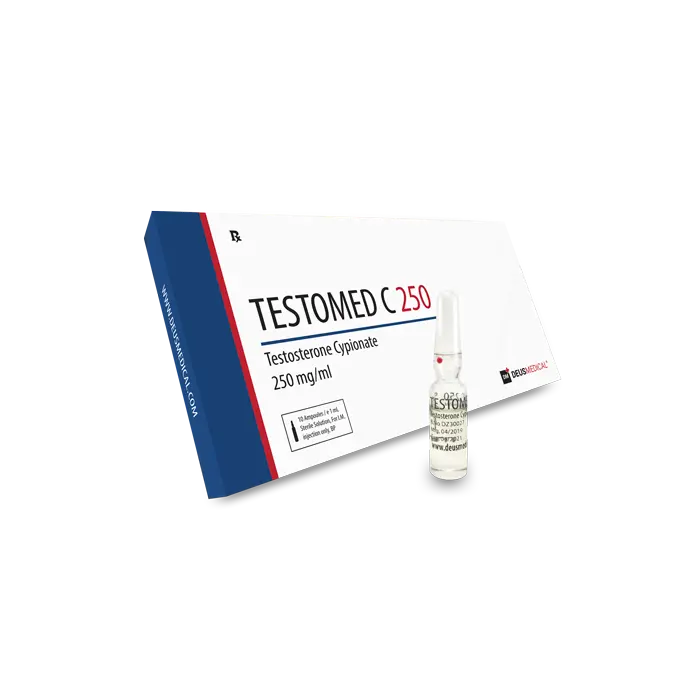
Out of stock
Testosterone
£37.90
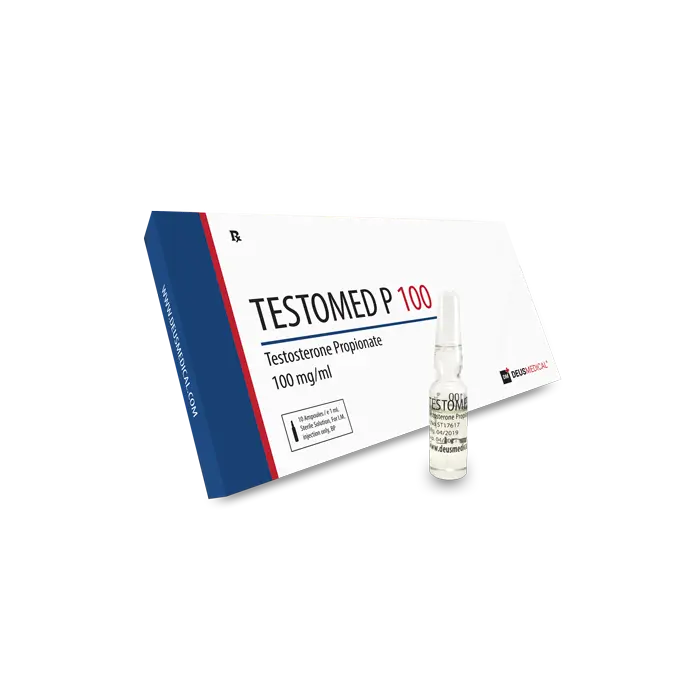
Out of stock
Testosterone
£33.90
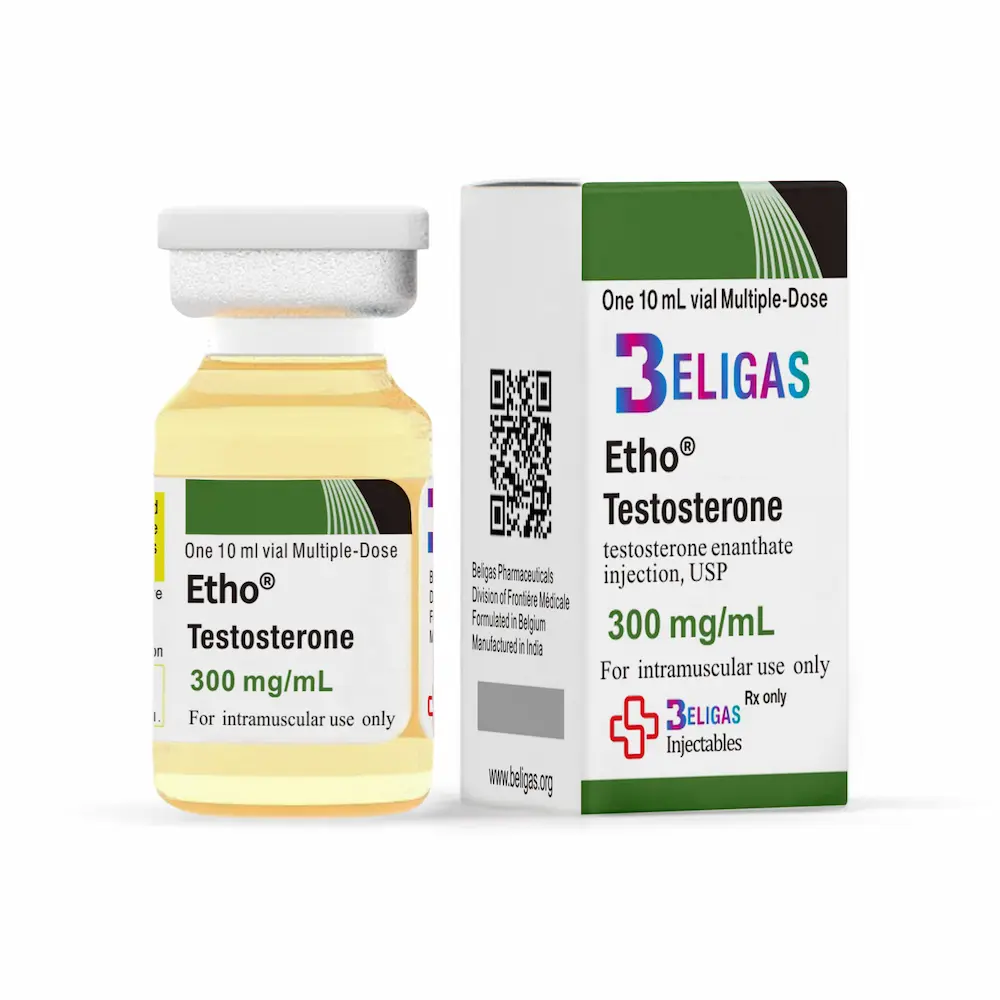
Out of stock
£42.90
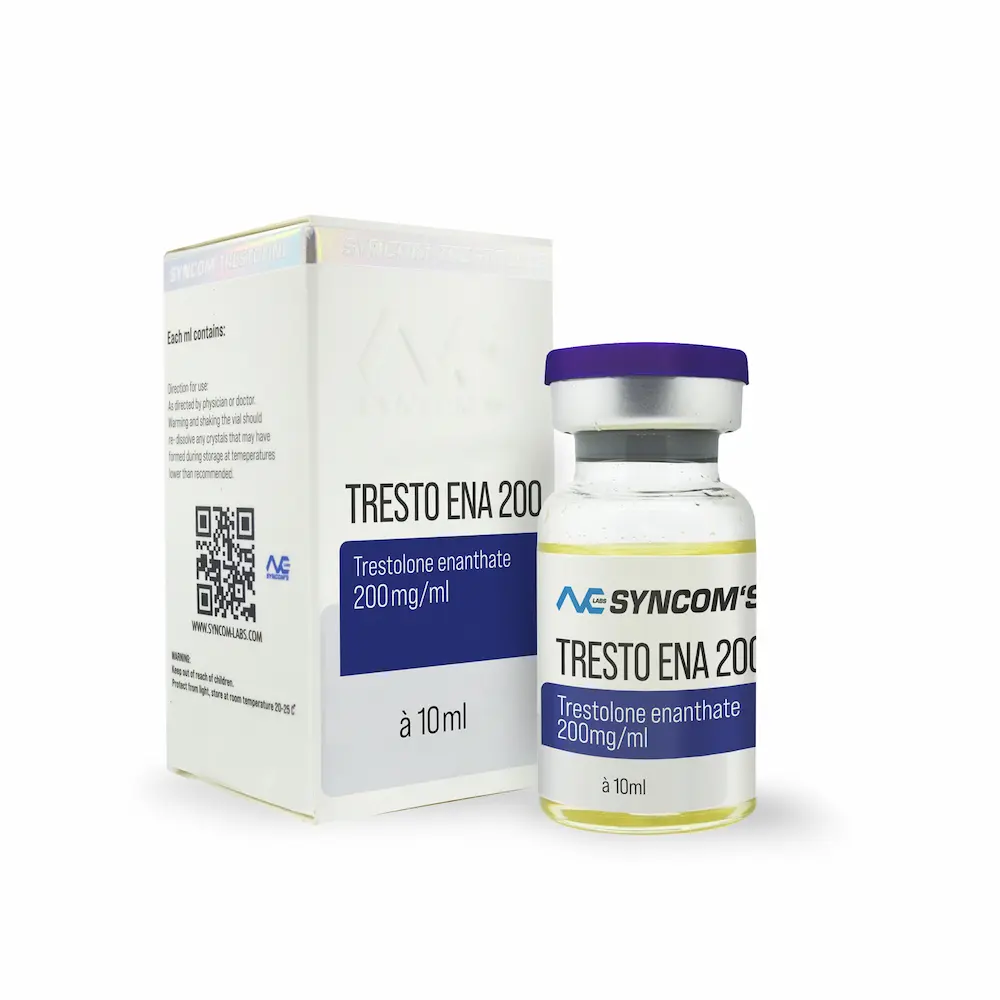
Out of stock
£149.90